Why Do I Keep Blundering in Chess? (And How to Actually Stop)
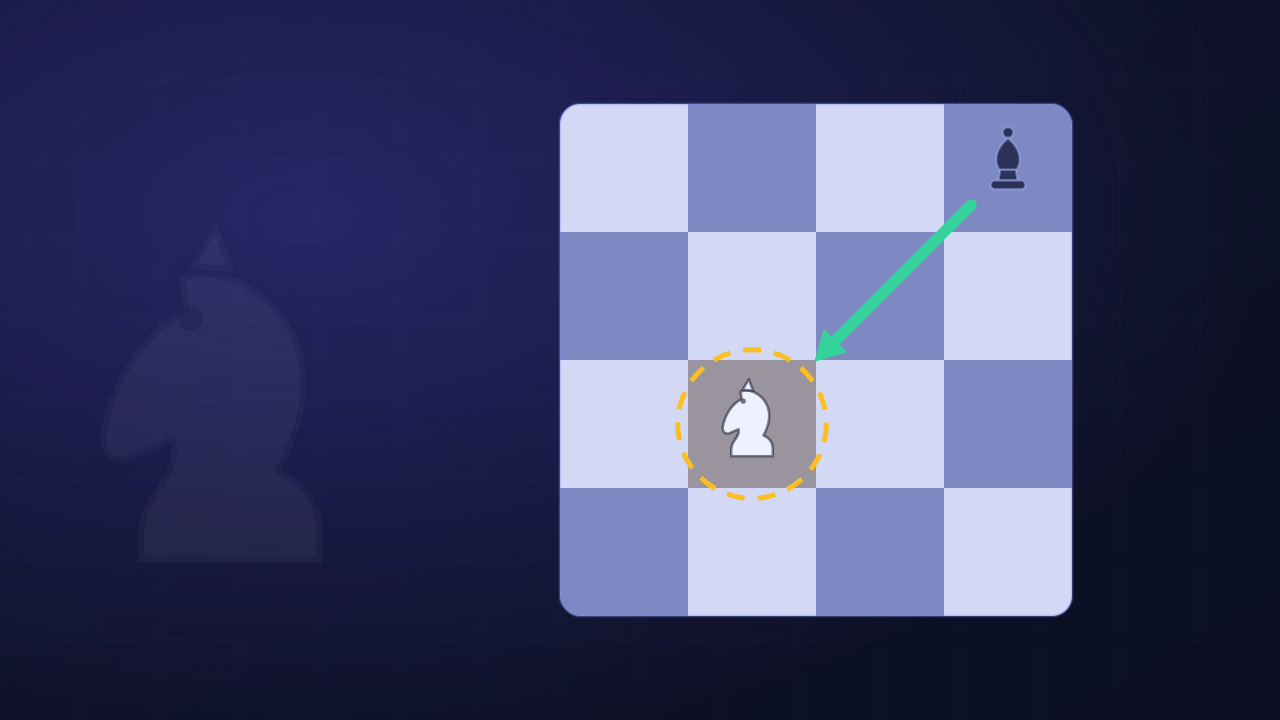
If you keep hanging pieces, missing your opponent’s threats, or throwing away winning positions, you are not “just bad at chess.” Blunders almost never come out of nowhere. They come from a small number of repeatable habits — and once you can name yours, you can train them away.
Blunders are patterns, not accidents
Look back at your last 20 losses and you will usually find the same three or four mistakes wearing different costumes:
- Recapturing on autopilot — you take because a piece was taken, without checking what it opens up.
- Only looking at your own plan — you spot your idea and stop, never asking what your opponent is threatening.
- Moving instantly in “easy” positions — the blunder rate spikes exactly when you feel comfortable.
- Playing the first checking/capturing move — instead of the best one.
The specific mix is personal. That is the whole point: generic advice (“calculate more!”) does not help because it does not tell you which habit is leaking your rating.
The one-question checklist that prevents most blunders
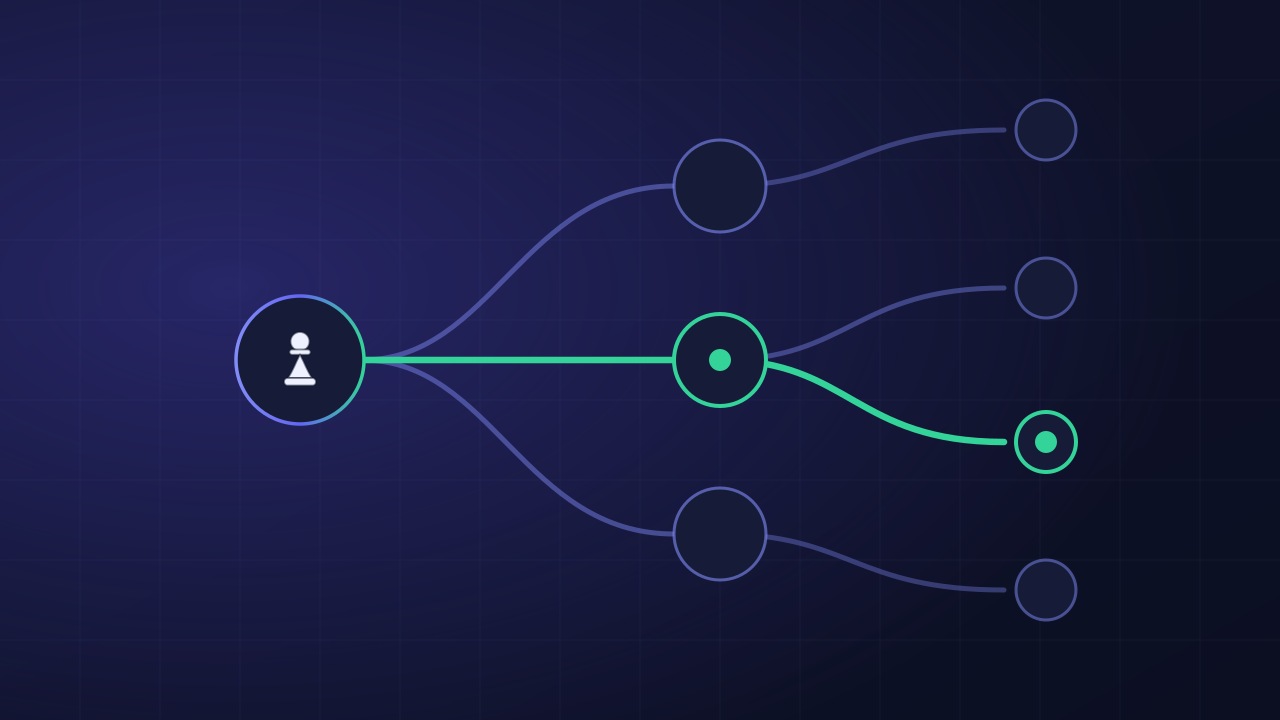
Before every move, ask a single question: “What does this move allow?”
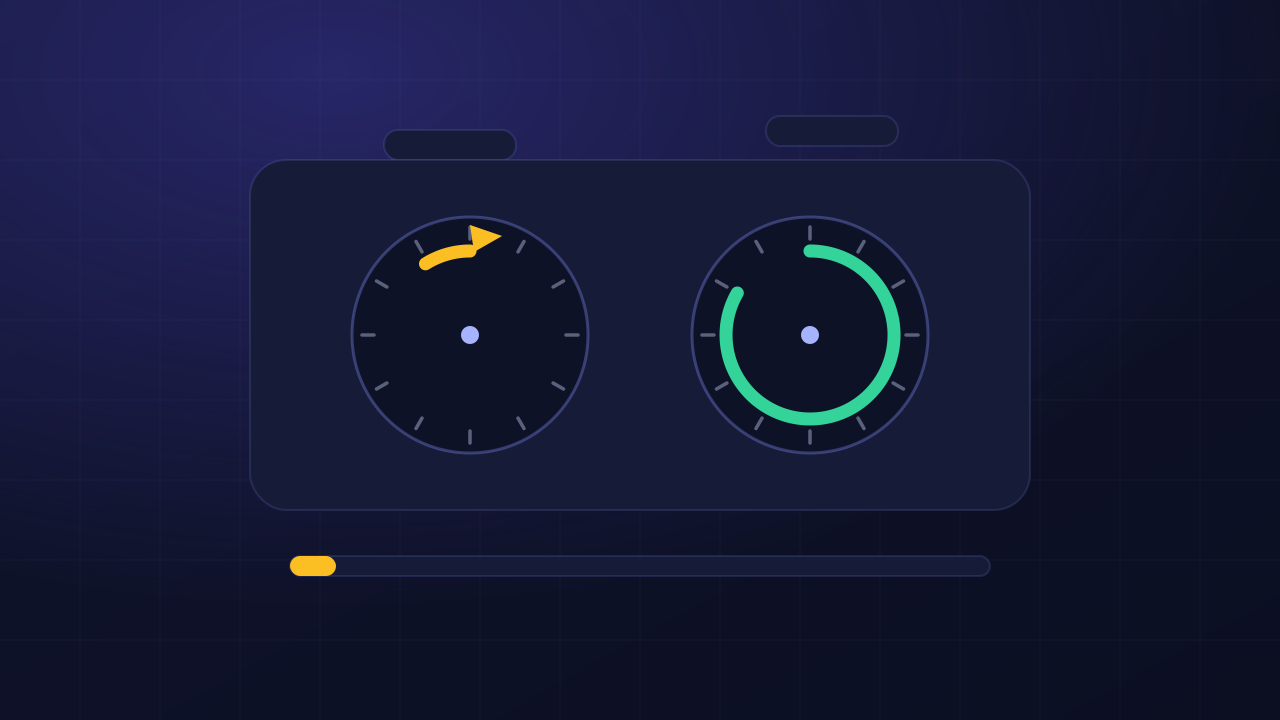
Not “what do I want to do” — you already know that. The blunder lives in what your move lets your opponent do next: a check, a capture, a fork, a pin, a back-rank idea. Train yourself to scan all checks, captures, and threats for your opponent before you commit. It feels slow at first. Within a few weeks it becomes automatic, and your obvious blunders roughly halve.
Find your specific leak
The fastest way to improve is to stop guessing and look at the data in your own games. Run your recent games through an engine and — crucially — look for the repeating mistake, not just the worst single move. If three of your last five losses came from rushed recaptures, that is your homework, not “tactics in general.”
This is exactly what PawnPilot’s game analysis is built for: it reviews your Chess.com and Lichess games with Stockfish, then clusters your blunders into the handful of habits actually costing you points — so you fix the cause, not the symptom.
Then drill the pattern, not random puzzles
Once you know your leak, practice it directly. If you miss back-rank ideas, drill back-rank puzzles until you see them instantly. Random puzzle sets waste reps on motifs you already know; targeted tactics training built from your own misses is far more efficient.
The short version
- Your blunders are a few repeating habits, not bad luck.
- Before each move, ask “what does this allow?” and scan your opponent’s checks, captures and threats.
- Use your own games to find your specific leak.
- Drill that exact pattern until it is automatic.
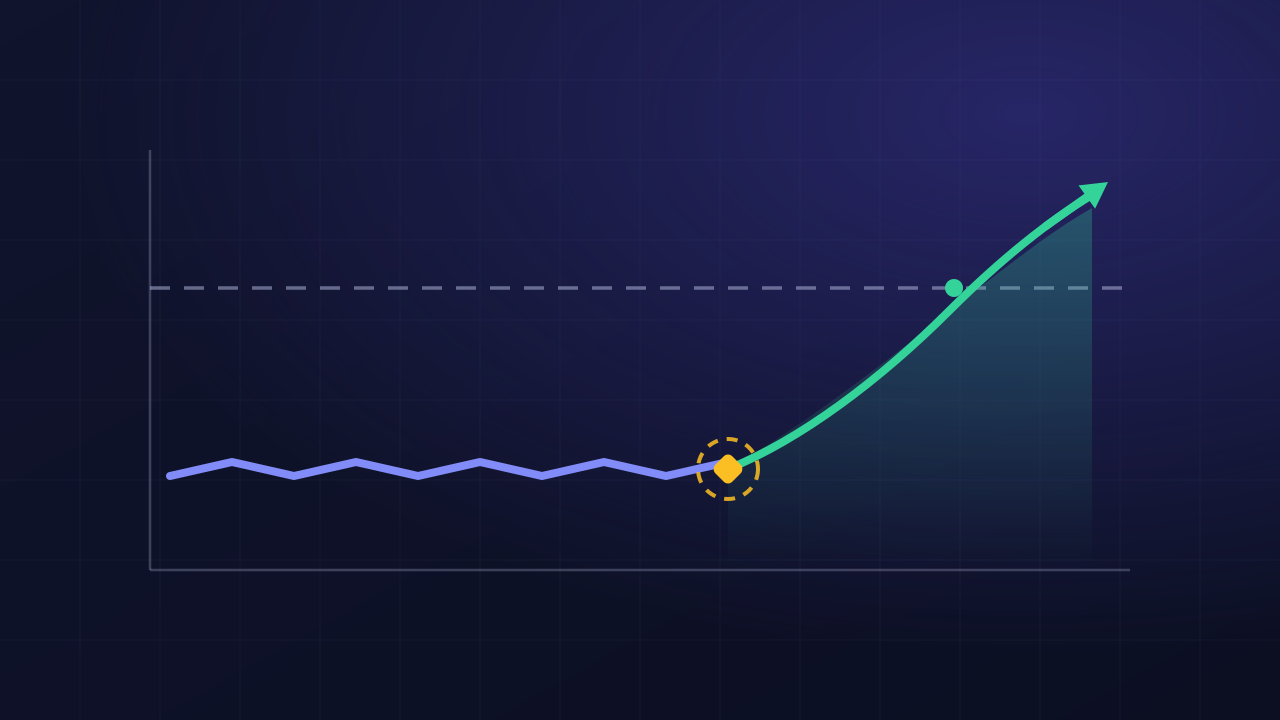
Do that and the blunders that feel random today will quietly disappear — because they were never random to begin with.