How to Convert a Winning Endgame (Stop Letting the Point Slip)
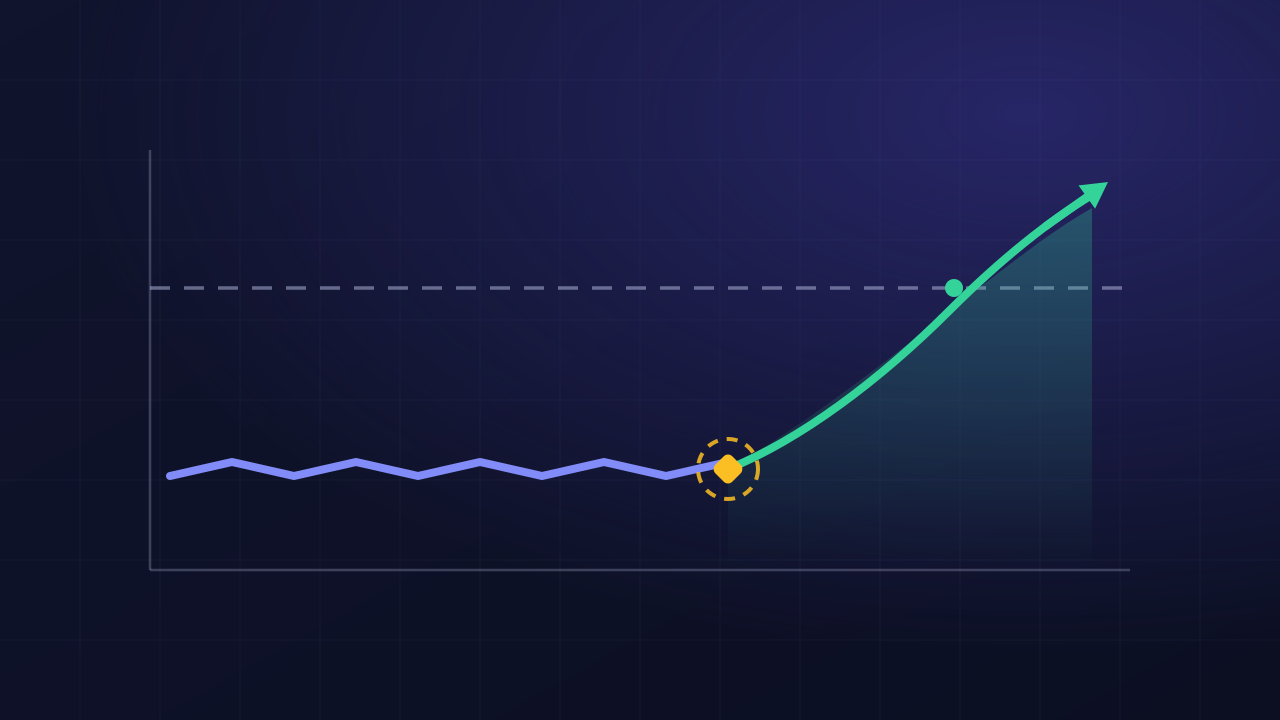
There is a special kind of pain in chess: you outplay your opponent for 40 moves, reach a completely winning endgame, and then… draw. Or lose. Converting a winning position is a skill of its own, and the good news is that it is very learnable. Here are the principles that matter most.
1. Activate your king
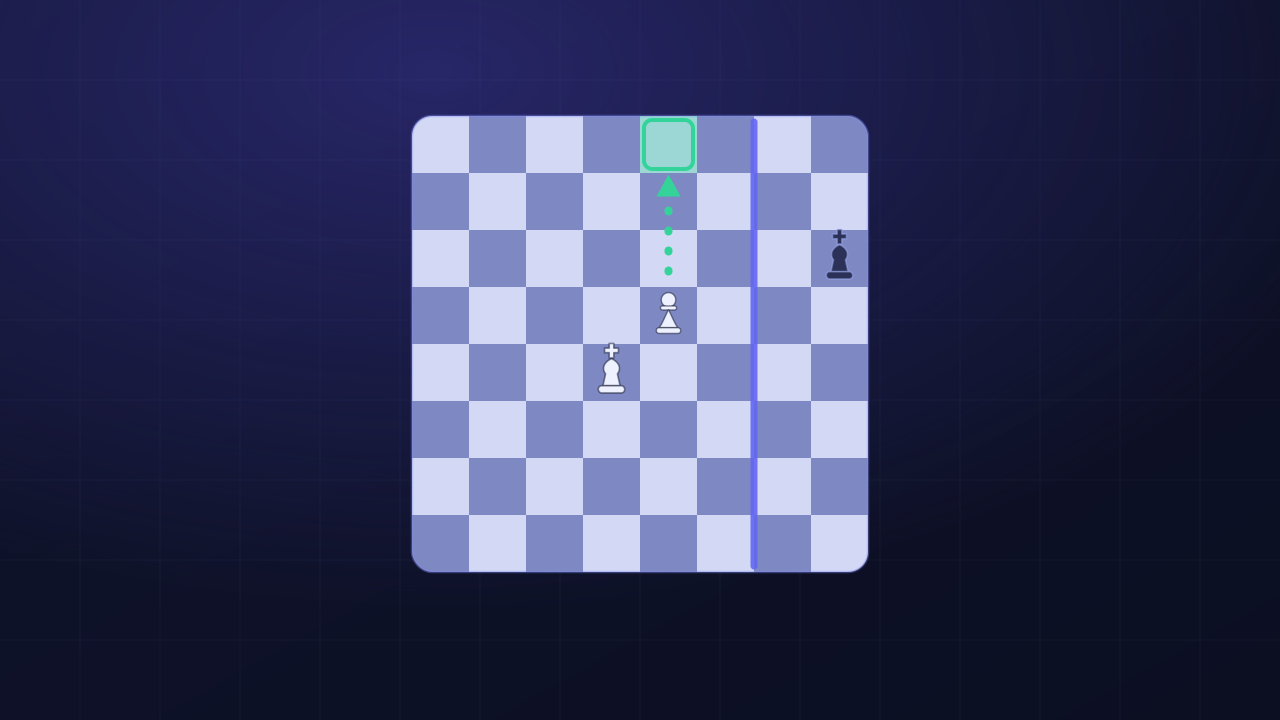
In the middlegame your king hides. In the endgame it fights. Once the queens are off, the king is a strong piece — often the deciding one. Before you start pushing pawns, ask: is my king active, and can I bring it closer to the action? A centralised king in a pawn endgame is frequently worth more than the extra pawn itself.
2. Do not rush — but do not drift
Winning endgames reward patience, but patience is not the same as aimlessness. Have a target: a pawn to promote, a weakness to attack, a square to occupy. “Do not rush” means avoid committal pawn pushes that fix your structure or release the tension too early — not “shuffle pieces and hope.”
3. Trade pieces, not pawns, when ahead in material
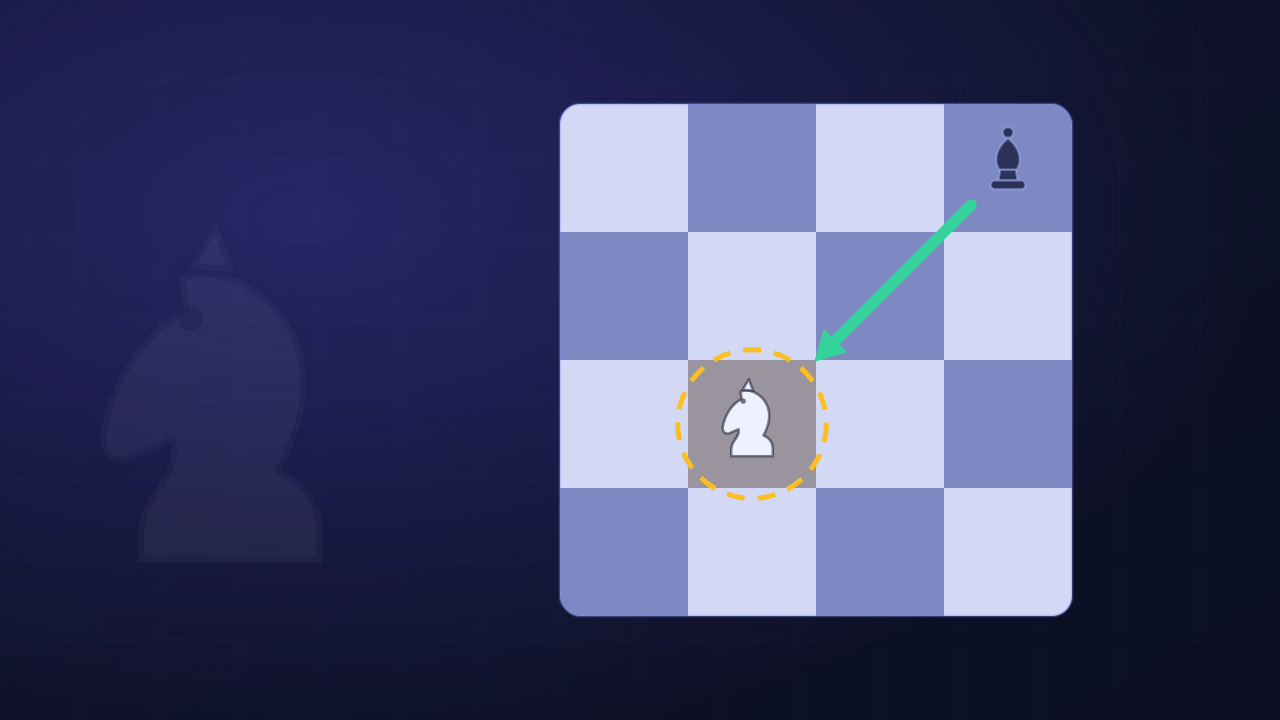
A classic guideline: when you are up material, trade pieces to simplify toward a won king and pawn endgame — but keep your pawns, because they are what will queen. When you are down material and defending, it is the reverse: keep pieces on to create complications, and trade pawns to reach drawn fortresses.
4. Know the theoretical endings cold
A handful of positions come up again and again and have known results:
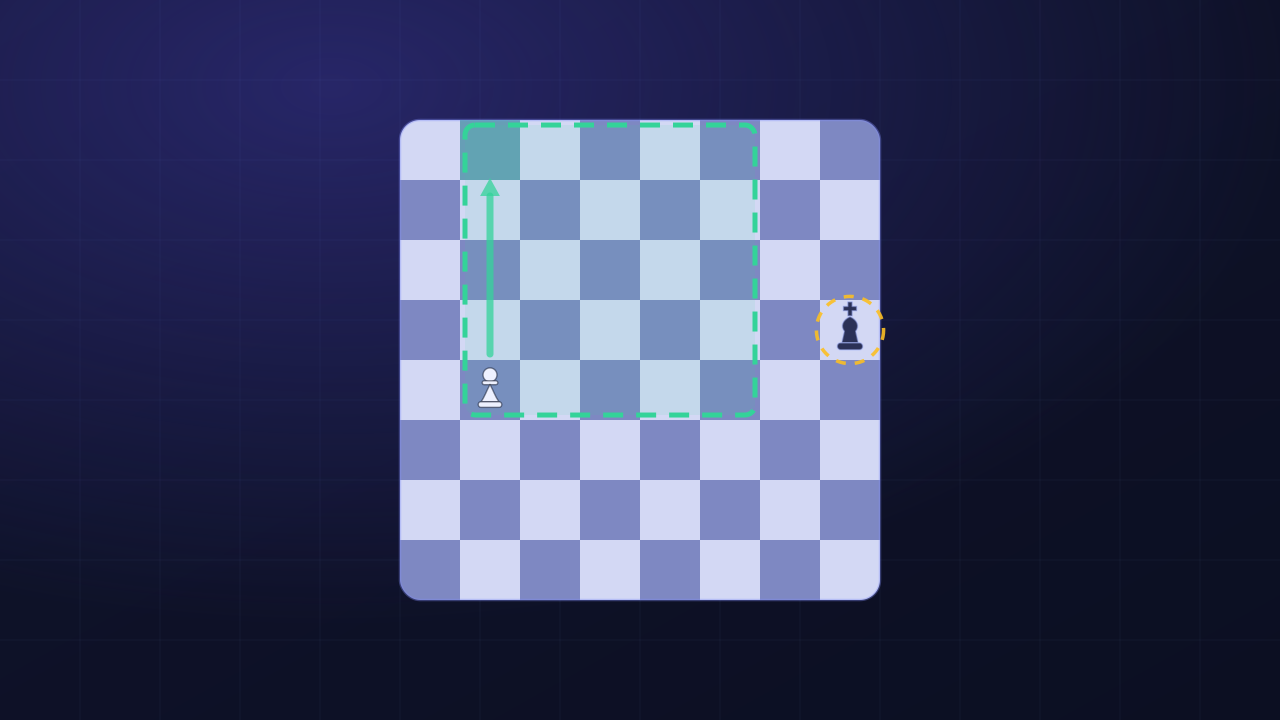
- King and pawn vs king — the opposition and the rule of the square.
- Rook and pawn vs rook — the Lucena (winning) and Philidor (drawing) positions.
- Queen vs pawn on the 7th — knowing when it draws.
You do not need hundreds of these. You need the core dozen, known well enough that you play them instantly instead of burning clock and hope.
5. Calculate to the end, not “to winning”
In the endgame, small differences decide everything — a single tempo, whether a pawn queens with check. When you spot the winning idea, do not stop calculating. Push the line all the way to the promoted queen or the delivered mate. “This looks winning” is exactly how won endgames get drawn.
Drill the endings you actually lose
Reading principles is not the same as executing them under pressure. The fastest improvement comes from repetition on the specific endings you mishandle. If you keep failing to convert rook endings, drilling king-and-pawn theory will not help you — you need rook endings, over and over, until the technique is automatic.
That targeting is what PawnPilot’s endgame trainer does: it uses tablebase-verified Convert-the-Win and Hold-the-Draw drills, and it surfaces the exact endgame types you keep botching in your own games — so your practice goes straight to the leak instead of covering ground you already own.
The short version
- Activate your king.
- Have a concrete target; don’t rush, don’t drift.
- Up material: trade pieces, keep pawns.
- Know the core theoretical endings cold.
- Calculate winning lines all the way to the end.
Winning positions do not win themselves — but with these habits and some targeted practice, you will stop letting the point slip.