How to Analyse Your Own Chess Games (The Right Way)
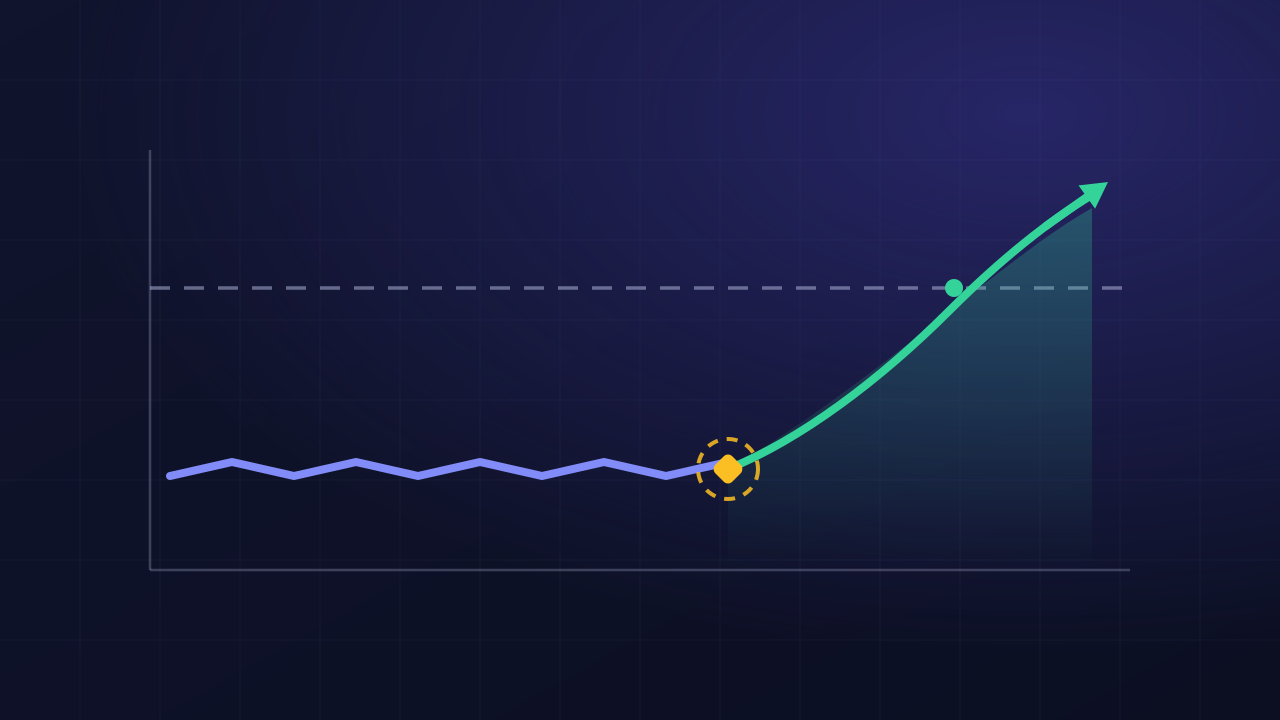
Reviewing your own games is the single highest-return habit in chess improvement — and most players do it wrong. They click “analyse,” watch the engine flag their blunders, think “yeah, that was bad,” and close the tab. Nothing changes. Here is a process that actually turns games into rating.
Step 1: Review before you turn on the engine
This is the step everyone skips, and it is the most important one. Play through the game first with the engine off and write down, in your own words:
- Where did I feel uncomfortable or unsure what to do?
- What was my plan at each critical moment — and did I have one?
- Which moves did I play quickly and confidently? (These are dangerous — confident moves are where blunders hide.)
The engine will tell you what was wrong. Only your own honest review tells you what you were thinking, which is what you actually need to change.
Step 2: Now bring in the engine — to check ideas, not to worship it
Turn Stockfish on and compare its evaluation to your notes. You are looking for two things:
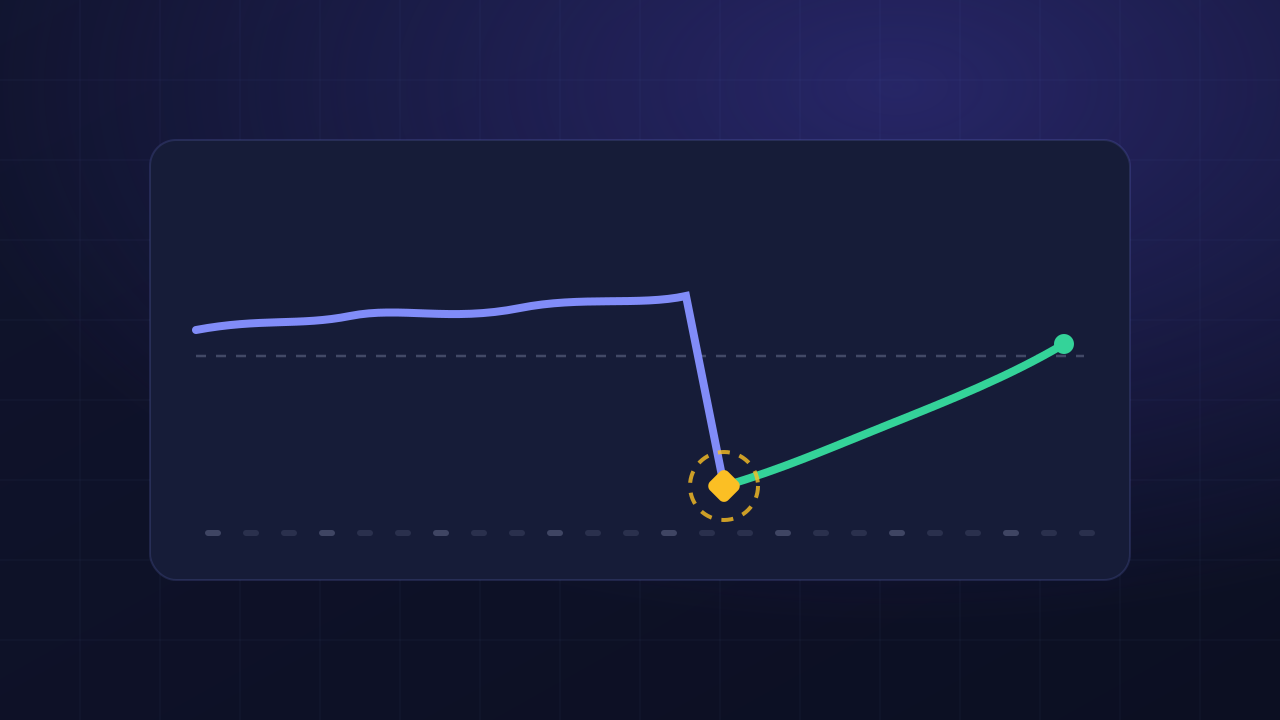
- Where did the evaluation swing? Those are your critical moments. Ignore the ±0.3 wobbles; focus on the moves that changed the game.
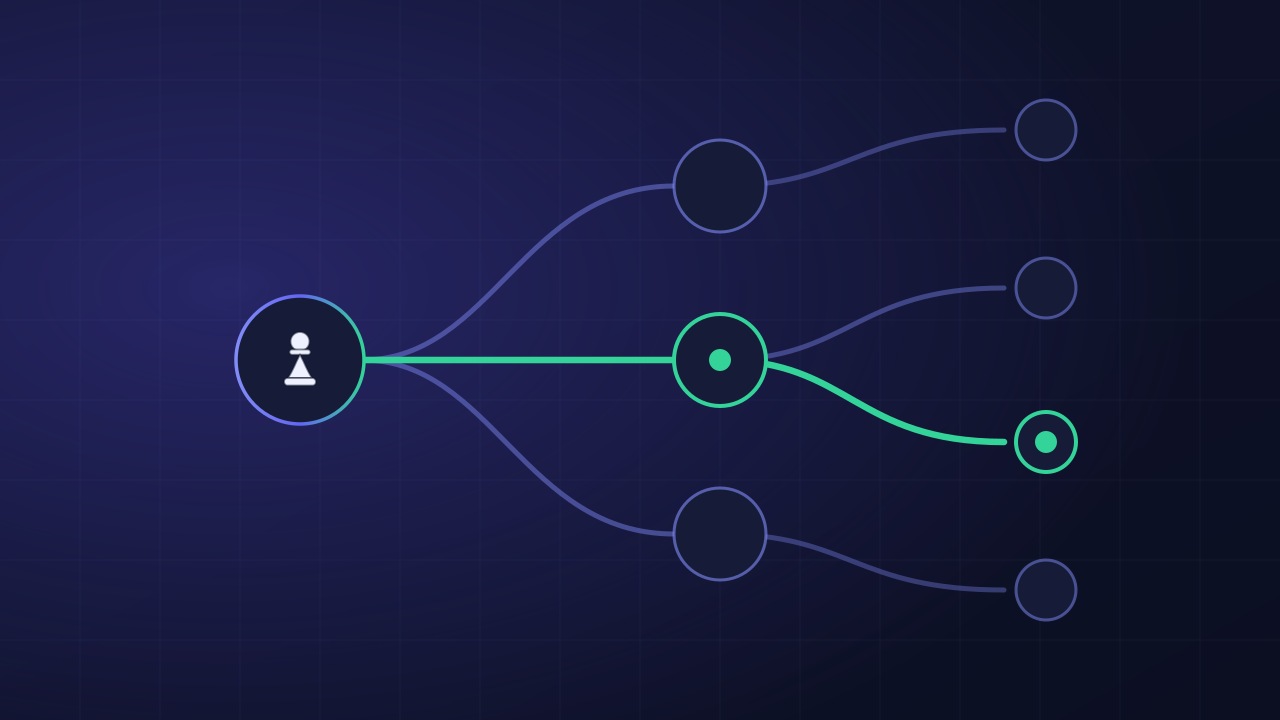
- Why does the engine’s move work and mine doesn’t? Do not just memorise the computer move. Understand the idea — the threat you missed, the weak square, the tactic — so you can find similar ideas yourself next time.
Do not fall into the trap of chasing every engine suggestion. You are not trying to play like Stockfish; you are trying to understand your own mistakes.
Step 3: Look across games, not just within one
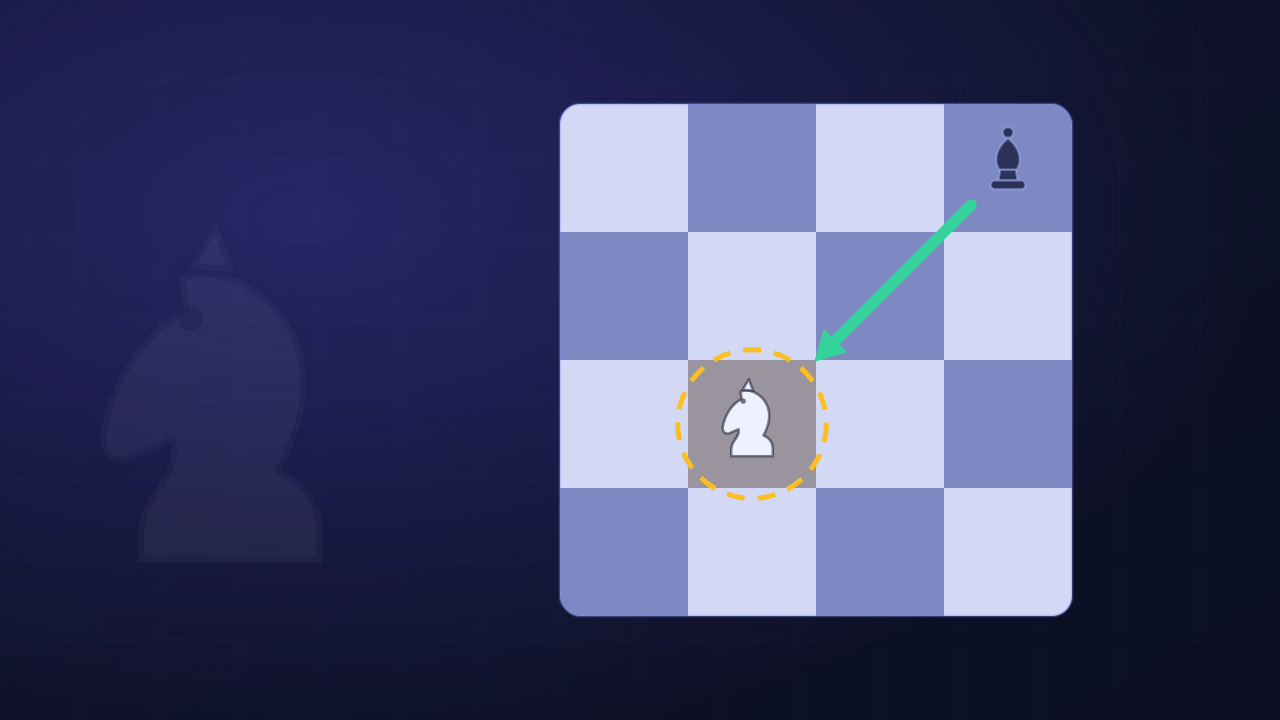
One game tells you what went wrong once. Ten games tell you what goes wrong repeatedly — and repeated mistakes are where your rating actually leaks. After reviewing a batch of games, ask: what keeps showing up? Rushed recaptures? Bad bishops? Losing the thread in the same opening? Time trouble? The recurring theme is your real study plan.
Step 4: Turn the pattern into practice
Once you have named the pattern, train it directly. Missed tactics become targeted puzzles. Opening drift becomes repertoire drilling. Botched conversions become endgame drills. This is what closes the loop — review that does not change your practice is just entertainment.
Making this sustainable
Doing all of this by hand for every game is a lot of work, which is why most people quit. A good coaching tool automates the tedious parts. PawnPilot imports your Chess.com and Lichess games, runs the Stockfish pass for you, and — the part that matters — clusters your mistakes across all your games into the handful of recurring habits costing you the most, then builds the practice around them. It also remembers what it found last month, so you can see whether a leak is actually closing.
The short version
- Review with the engine off first — capture what you were thinking.
- Turn the engine on to find critical moments and understand why, not to memorise moves.
- Look across many games to find recurring patterns.
- Turn each pattern into targeted practice.
Do this consistently and your own games become the best coach you have.