How Many Chess Puzzles Should You Do a Day? (Quality Beats Quantity)
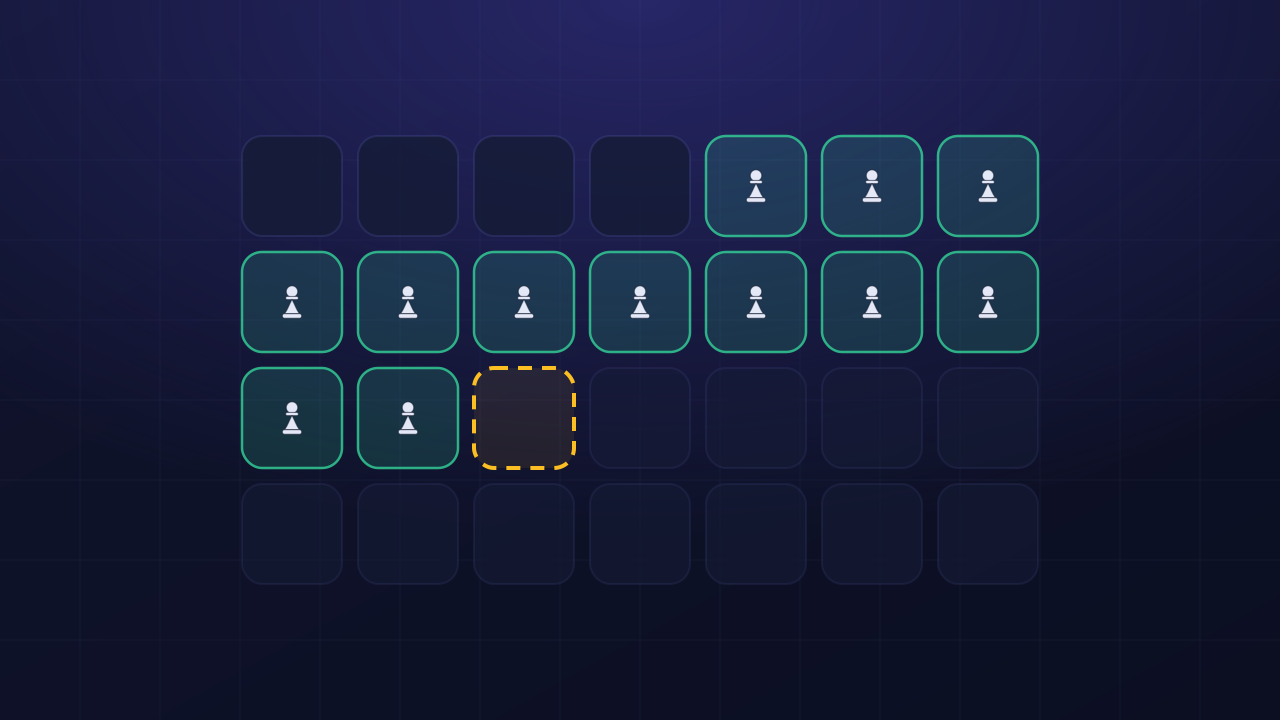
Somewhere along the way, puzzle counts became a badge of honour — 50 a day, 100 a day, thousand-puzzle weekends. Here is the honest answer to how many you actually need: 10 to 20, solved properly, every day. Less than most people hope, and more demanding than it sounds.
Why 10–20 is the sweet spot
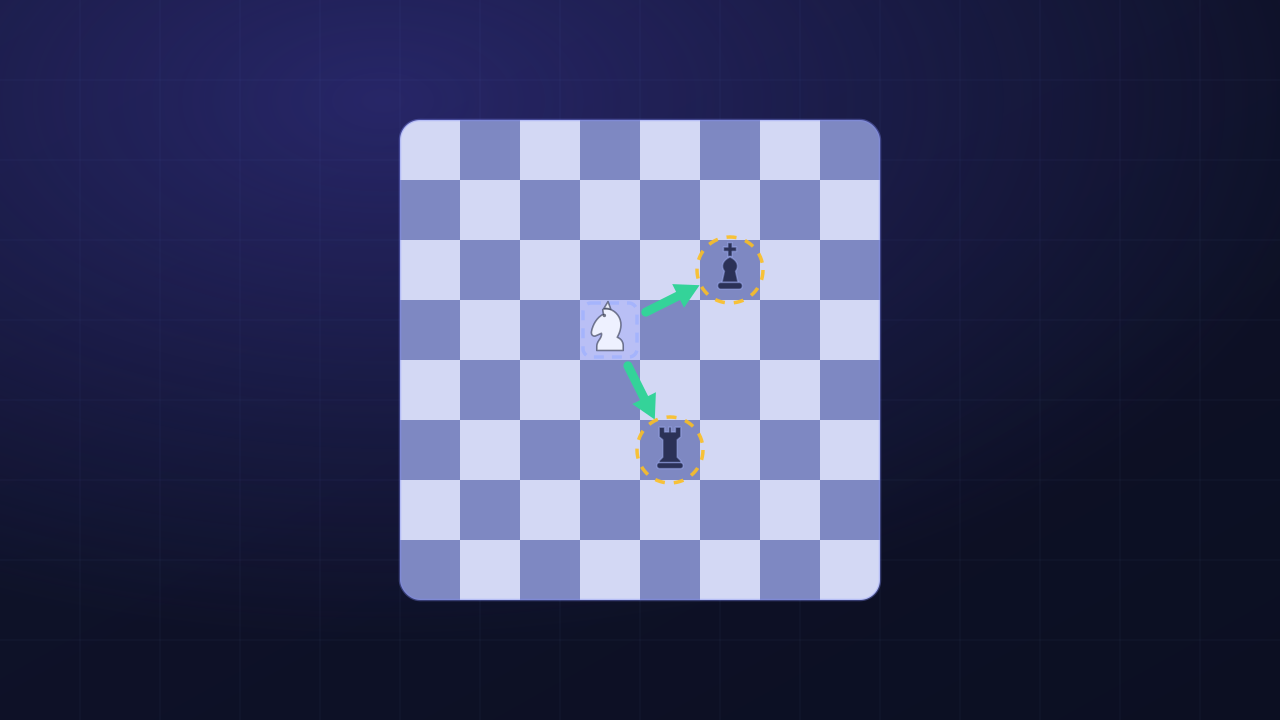
A puzzle only improves you while you are genuinely calculating — holding the position, working through the forcing lines, checking your opponent’s best defence. That takes real focus, and real focus runs out. For most players it lasts about 15–20 minutes, which is exactly 10–20 puzzles done with full attention. Past that point you slide into pattern-guessing: clicking the move that “looks right” and letting the trainer tell you. Reps in that mode do not build anything; they just move a counter.
What “properly” means
The value of a puzzle is in how you solve it:
- Calculate the full line before touching a piece — your move, the best defence, your follow-up, all the way to the win of material or mate. If you cannot see the end, you have not solved it yet.
- No guess-clicking. A lucky first move that you could not back up is a failed rep, whatever the trainer says.
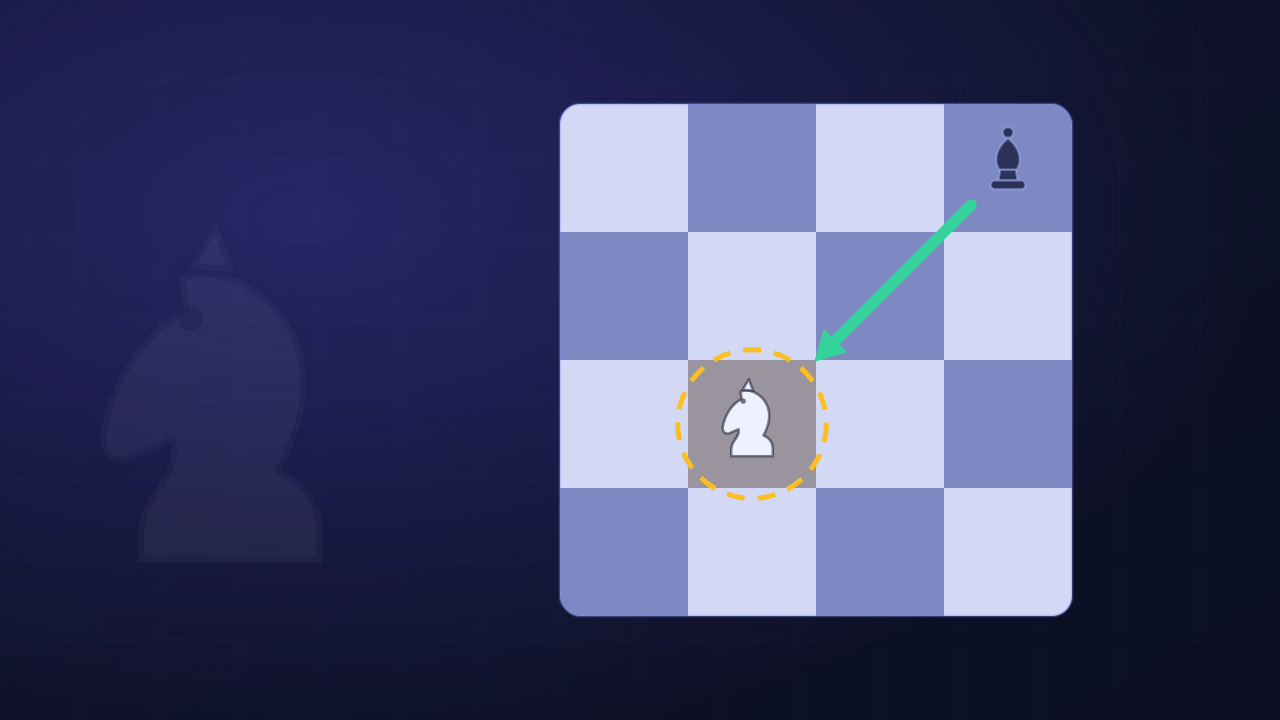
- Treat every miss as the actual lesson. When you fail, replay the solution and find the precise move you misjudged. Was it a defence you never considered? A motif you did not see? That two-minute post-mortem is where the improvement lives — and it is exactly how tactical training transfers to real games.
Consistency beats volume — by a lot
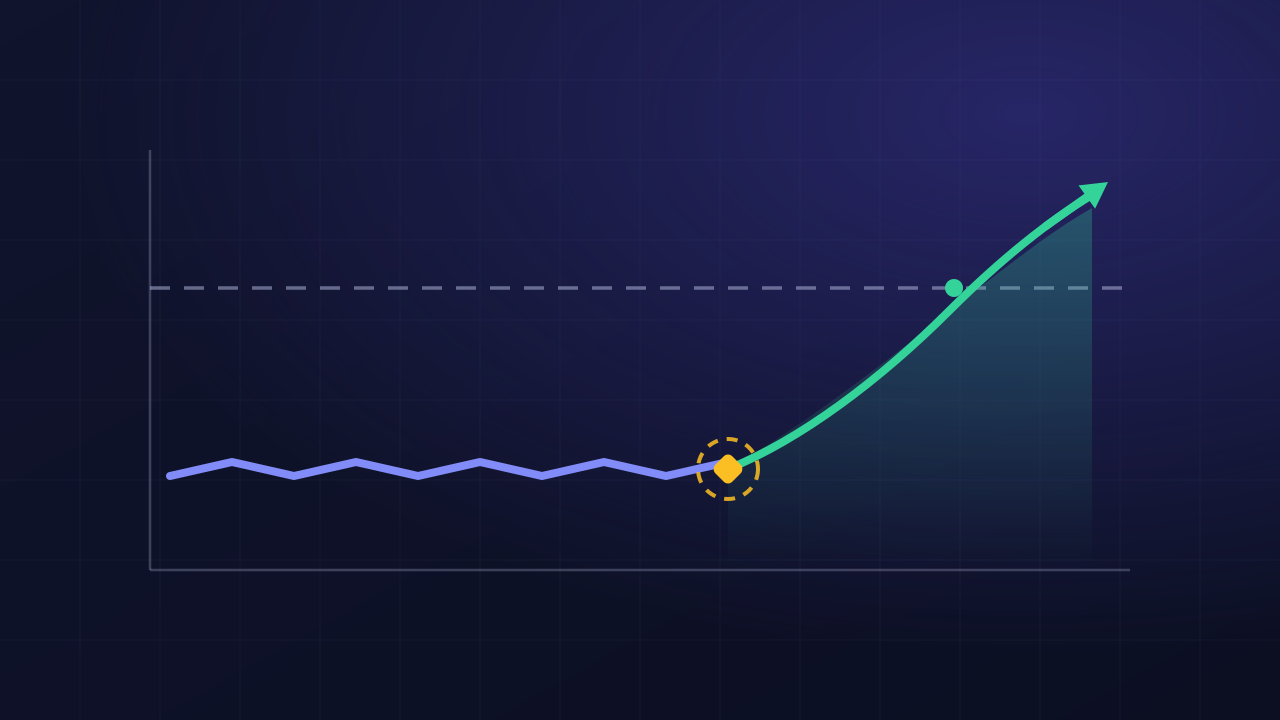
Twenty focused puzzles a day, five days a week, beats a hundred on Sunday. Pattern recognition is memory, and memory is built by spaced exposure: seeing a motif today, again in three days, again next week. A weekend binge gives the patterns one appearance each and lets them fade. This is the same reason streaks work as a training device — the schedule is the point, not the heroics.
When more is fine
Speed modes have a place. Rapid-fire sessions — Storm-style sprints or survival streaks — sharpen recognition of patterns you already own and are good warm-up before a playing session. Enjoy them freely; just be honest with yourself that they are the dessert. Deliberate, full-calculation solving is the meal.
Make the reps compound
The last multiplier is which puzzles you solve. Twenty random puzzles mostly rehearse motifs you already know; twenty aimed at your weaknesses attack the leak directly. PawnPilot’s puzzle trainer mines tactics from your own games — the ones you actually missed at the board — brings your failures back with spaced repetition just before you would forget them, and keeps Storm and Streak on hand for the speed work. Same 15 minutes a day, several times the return.
The short version
- 10–20 puzzles a day, at full focus, beats any volume of rushed solving.
- Calculate to the end before you move; a lucky guess is a failed rep.
- Review every miss to the exact move you misjudged — that is the lesson.
- Show up daily: spaced, consistent practice is what builds pattern memory.
Fifteen deliberate minutes a day. That is the whole secret — the rest is targeting.