How to Learn Chess Openings (Without Memorising 20 Moves Deep)
Most players learn openings backwards. They start with a wall of theory — a video course, a database, a 20-move main line — and try to memorise their way to a playable middlegame. Then the opponent plays something slightly off-script on move five, and the whole structure collapses. There is a better order, and it takes less work, not more.
Learn the ideas before the moves
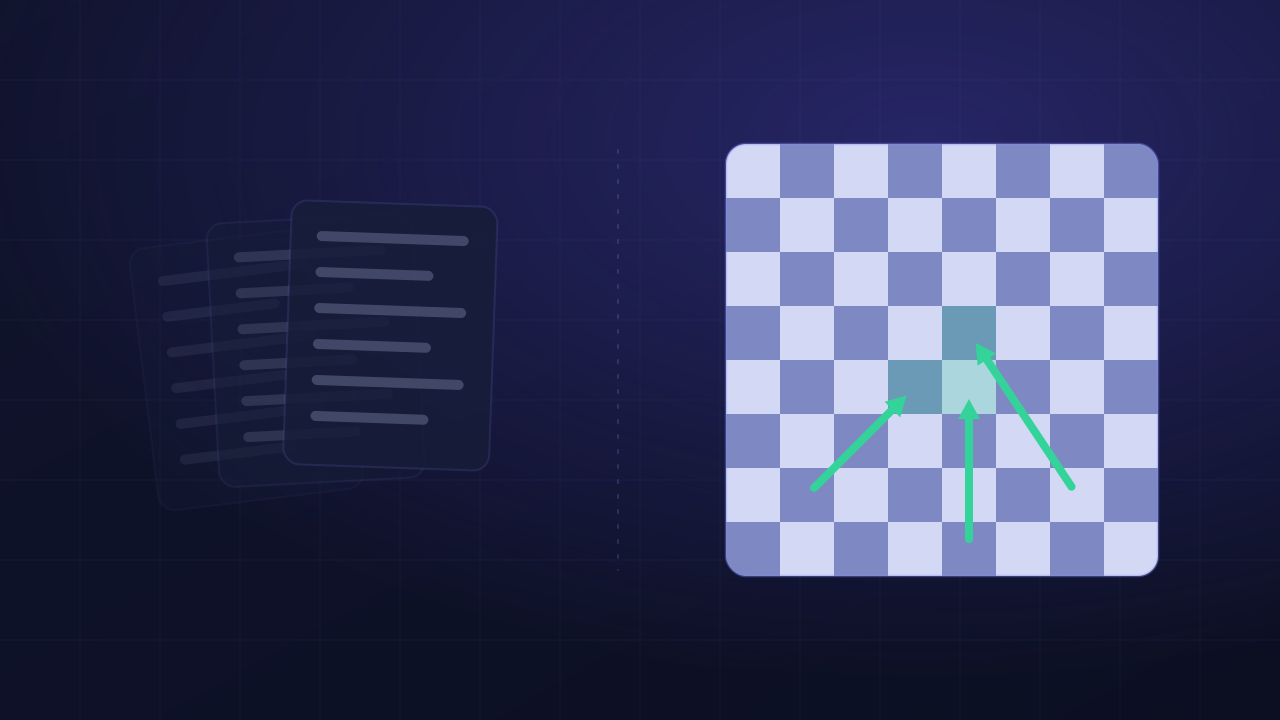
Every opening is a set of ideas wearing a move order. Before you memorise anything, you should be able to answer three questions about your opening:
- Where do my pieces belong? In the Italian, the bishop lives on c4 and stares at f7. In the London, it must get to f4 before the pawn chain shuts it in.
- What are my pawn breaks? The break is the move that opens the position on your terms — d4 in the Italian, c5 or e5 for Black against most queen’s-pawn setups.
- What is the typical plan? Which side do you play on, which pieces do you want to trade, and what does the “good version” of your middlegame look like?
If you can answer those, you will find a sensible move in any position the opening throws at you — including the ones no course ever covered. That is what “knowing an opening” actually means.
Add lines in layers, not in one download
Memorisation still matters; it just comes second, and in layers:
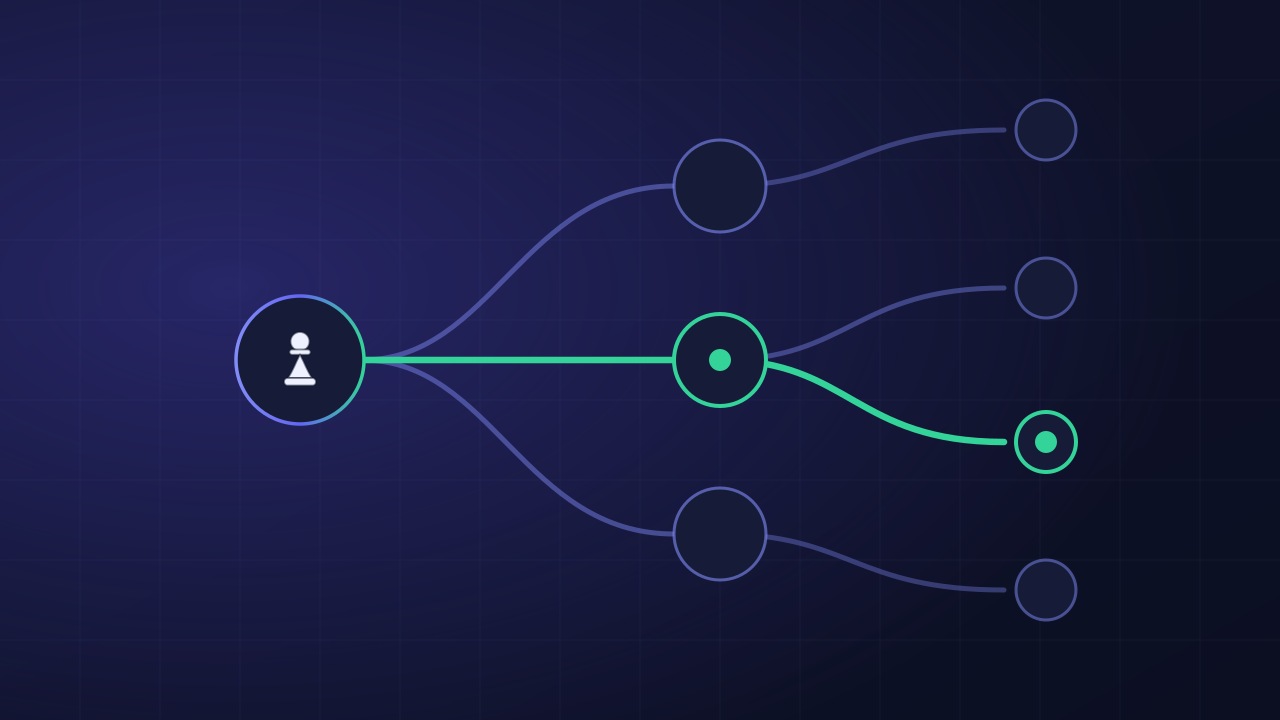
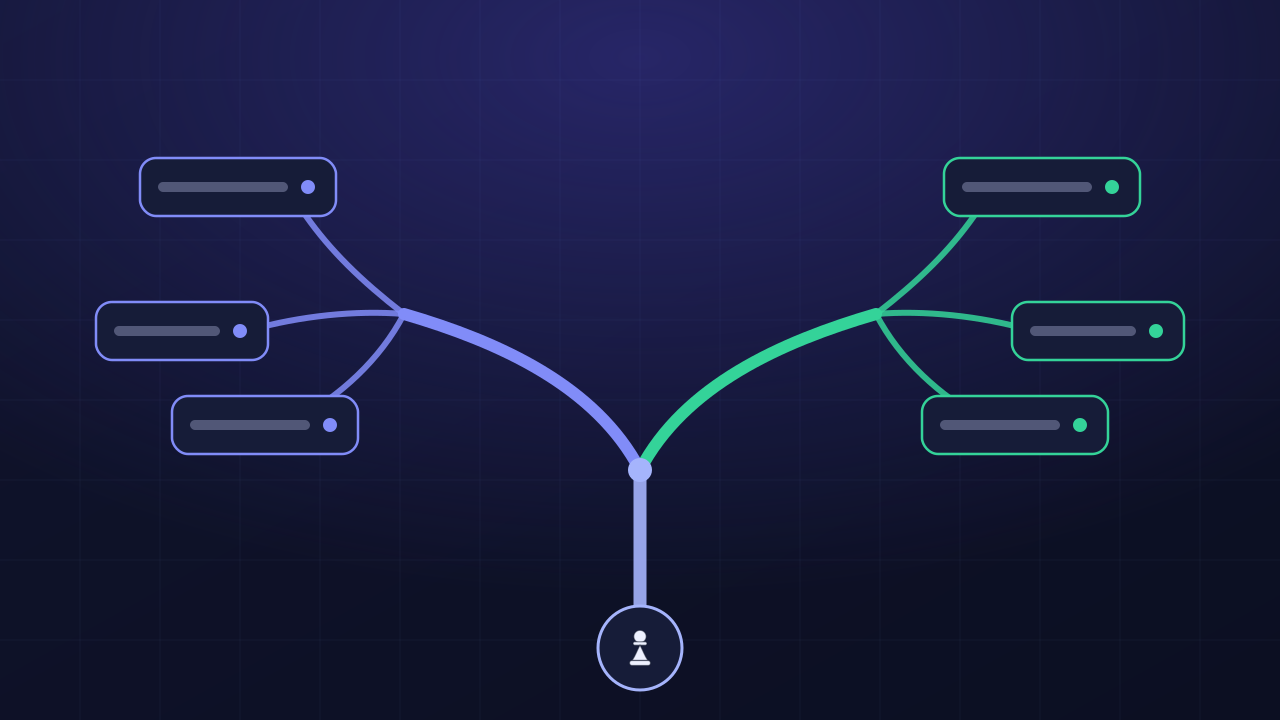
- Layer one: the first five or six moves against each of your opponent’s main replies. That is a handful of short sequences, not an encyclopaedia.
- Layer two: one answer to each sideline you actually meet — the early queen sorties, the offbeat gambits, the “wrong” moves that deserve punishment.
- Layer three: deeper theory, only where your games demand it. If a line never appears on your board, learning move 15 of it is effort invested in forgetting.
Layers respect how memory works: you retain the lines you use and lose the ones you do not. A beginner memorising 20 moves of Najdorf theory is preparing for opponents they will not meet for another 500 rating points.
Let your games write the syllabus
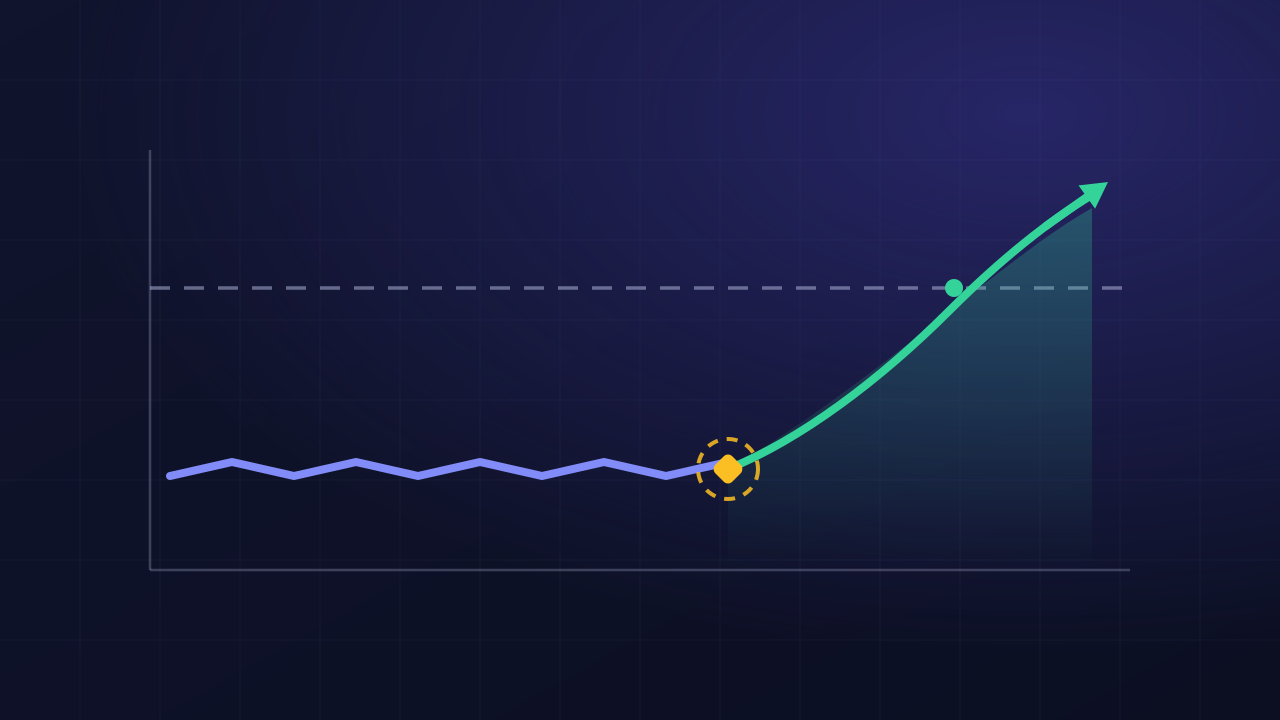
Here is the step almost everyone skips: find out where you actually leave book. Not where the course ends — the move where you, in a real game, first drifted away from your repertoire. For most club players that moment arrives embarrassingly early, and it is different in every opening.
Review your recent games and mark the first unfamiliar moment in each — a proper game-review habit makes this quick. Those positions, not the main line at move 18, are your homework. And if you have not settled on which openings to play at all, start with a few simple, principled choices rather than collecting courses.
Drill it until recall is boring
Reading and watching feel like learning, but the moves are only yours once you can produce them under mild pressure, on demand. That takes retrieval practice — actually playing the moves out against resistance, spaced out over days and weeks.
This is exactly what PawnPilot’s opening trainer automates: it spots where you drift out of book in your own games, turns your repertoire into interactive drills, and schedules each line with spaced repetition so it resurfaces right before you would have forgotten it. Ten minutes of that beats an hour of re-watching a course.
The short version
- Learn where the pieces belong, the pawn breaks, and the plan — before any lines.
- Memorise in layers: five or six moves deep first, deeper only where your games demand it.
- Use your own games to find where you really leave book — that is the syllabus.
- Drill your actual lines with spaced repetition until recalling them is boring.
An opening learned this way survives contact with real opponents, because you are not reciting it — you understand it.